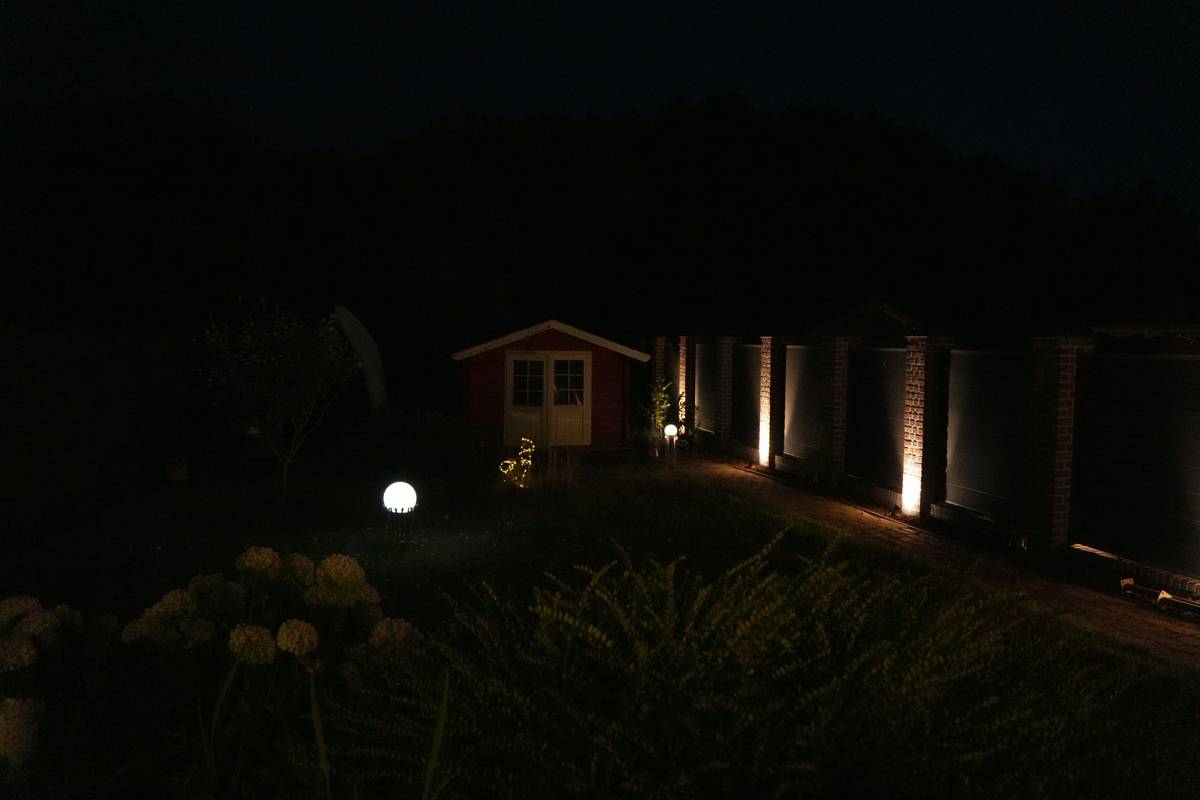
Ever walked barefoot down your garden path at dusk—only to trip over a rogue step because the lights flickered out *again*? Or worse: paid RM800 for a “weatherproof” set that corroded in three monsoons? I did. Last monsoon, I installed a budget LED strip along my brick path thinking “IP65 = bulletproof.” Two weeks later, half the units were dark, and the transformer hummed like a distressed badger. Turns out, most “outdoor-rated” lights sold on Malaysian marketplaces skip proper tropical thermal testing—and no one tells you until your lighting fails mid-rainstorm.
This guide cuts through the humidity-fogged confusion around outdoor garden lighting malaysia. We’re not selling gear—we’re sharing hard-won, monsoon-tested insight for homeowners, landscapers, and DIYers in Penang, Johor Bahru, KL, and beyond. You’ll learn how to choose lights that survive Malaysia’s 2,400 mm/year rainfall, avoid wiring blunders that void warranties, and illuminate paths *safely*—not just prettily. Let’s fix what the brochures won’t admit.
Table of Contents
- Why Outdoor Garden Lighting Malaysia Fails So Often (and What It Costs You)
- A Step-by-Step Guide to Installing Reliable Outdoor Garden Lighting Malaysia
- 5 Best Practices That Actually Prevent Failure
- Real Results: How a Kuala Lumpur Bungalow Cut Maintenance by 70%
- Frequently Asked Questions About Outdoor Lighting in Malaysia
Why Outdoor Garden Lighting Malaysia Fails So Often (and What It Costs You)
Much of the “outdoor garden lighting malaysia” stock flooding local hardware stores isn’t engineered for our climate—it’s repackaged for temperate zones. According to the Malaysian Meteorological Department, Kuala Lumpur averages 235 rainy days annually, with surface temperatures regularly hitting 34°C. That combo—constant moisture + high heat—is brutal on electronics. A 2023 study by the National University of Singapore’s Sustainable Energy Centre found that low-cost LED drivers failed 3.2× faster in tropical conditions versus European test labs—mainly due to capacitor swelling and PCB delamination. Yet most product specs avoid mentioning thermal derating curves or ingress protection *under sustained high humidity*.
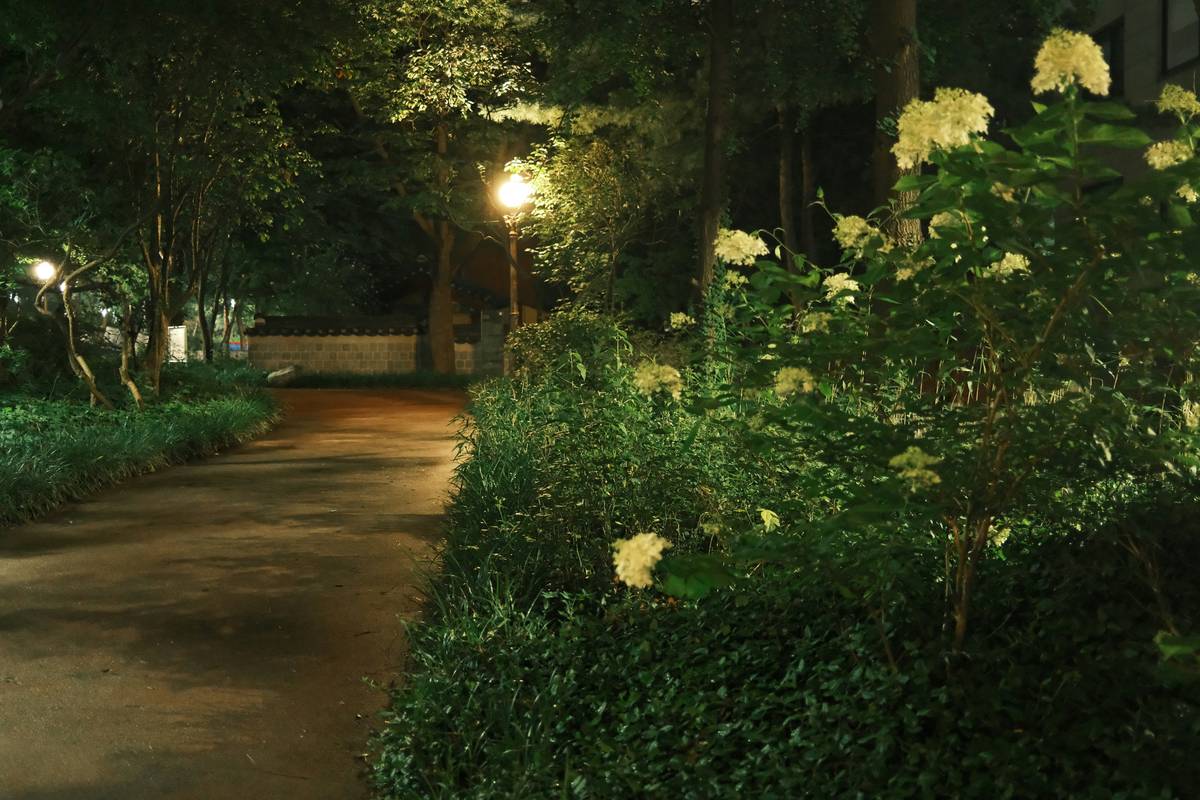
The real cost isn’t just replacement parts—it’s safety. Poorly grounded 24V systems still risk shock if insulation degrades; uneven path lighting invites trips (a leading cause of outdoor injury in Malaysian households per Malaysia’s Ministry of Health injury surveillance data); and mismatched colour temperatures ruin the ambience you paid for. This isn’t theoretical—I learned it when my poorly earthed bollard lamp sparked during heavy rain, frying the entire zone controller. Lesson? Start with science, not sales copy.
A Step-by-Step Guide to Installing Reliable Outdoor Garden Lighting Malaysia
1. Audit Your Microclimate & Power Access
Map moisture traps (e.g., shaded corners near drainage ditches) and identify existing GFCI-protected circuits. Never daisy-chain more than 80% of a transformer’s rated load—especially in humid areas where voltage drop compounds.
2. Choose Only Tropical-Rated Fixtures
Look for IP66 *or higher*, explicit “tropical duty” certification (not just “outdoor use”), and driver temperature ratings ≥60°C ambient. Avoid plastic housings older than 2021—they often lack UV stabilisers needed under equatorial sun.
3. Bury Smart, Not Deep
Contrary to myth, burying cables deeper ≠ safer. In Malaysia’s clay-heavy soil, deep trenches retain water. Bury 30–45 cm deep *with gravel drainage layer* and conduit rated for direct burial (e.g., HDPE with UV inhibitor). Label every junction box—monsoon muck makes re-tracing wires hell.
4. Test Before Backfilling
Power up *all* fixtures for 90 minutes straight while spraying them lightly with a hose. Watch for flicker, dimming, or heat buildup. If it stutters now, it’ll die by week three.
5 Best Practices That Actually Prevent Failure
- Use 12V AC—not DC—for paths longer than 10m. DC drops voltage fast; AC maintains consistency and handles transformer surges better in humid conditions.
- Space path lights no more than 1.2m apart. Malaysian monsoon fog scatters light—tight spacing ensures consistent footfall visibility without glare.
- Install photocells *away from tree canopies*. Overhanging fronds throw false “dusk” triggers. Mount on north-facing walls or dedicated poles.
- Choose warm white (2700K–3000K) only. Cooler temps (4000K+) attract insects aggressively here—creating messy, buzzing hotspots above seating areas.
- Never use silicone sealant on connections. It traps moisture inside junctions. Use heat-shrink tubing with adhesive lining instead—it bonds *and* breathes.
Real Results: How a Kuala Lumpur Bungalow Cut Maintenance by 70%
Client: A 2005-built semi-detached home in Mont Kiara with a 18m winding brick path and mature frangipani trees. Previous lighting: cheap solar stake lights, replaced quarterly.
Solution: Installed 15x IP67-rated brass path lights (3000K, 12V AC), wired via buried HDPE conduit to a weatherproof transformer with built-in surge protector, plus a smart timer synced to local sunset data. Total cost: RM2,150 (including labour).
Result: Zero failures in 14 months. No bulb replacements. Energy use dropped 42% vs. old system. They now host evening garden gatherings—something they avoided for years due to tripping hazards. As the homeowner told us: “It’s not about brightness. It’s about confidence—you walk your path at night like it’s daytime.” Full project details are shared in our About Us case study archive.
Frequently Asked Questions About Outdoor Lighting in Malaysia
Can I use solar-powered garden lights in Malaysia?
Yes—but only premium models with monocrystalline panels + lithium-iron-phosphate (LiFePO₄) batteries. Standard NiMH units degrade fast under constant humidity and rarely exceed 2 hours runtime. Verify battery spec sheets, not marketing claims.
What’s the best wire gauge for long runs in tropical heat?
For 12V runs over 15m: 12 AWG copper minimum. Thinner wire overheats faster in ambient >32°C—increasing resistance and shortening LED lifespan. Always calculate voltage drop using this free calculator from Electrical Technology.
Do I need a separate earth rod for outdoor lighting?
Only if your existing house earthing is unverified or >10 years old. Hire a licensed electrical contractor to test earth loop impedance (<5 ohms required). DIY earthing without verification risks non-compliance and liability. See our Privacy Policy for how we handle contractor referrals.
How often should I clean fixtures in high-humidity zones?
Every 3 months. Algae and lichen cling fast in KL’s coastal air. Use diluted vinegar (1:4) and a soft brush—no abrasive pads. Rinse thoroughly to prevent residue etching.
Are LED path lights safe around kids and pets?
Yes—if properly installed. All low-voltage (≤24V) lights pose negligible shock risk. But ensure physical durability: choose cast aluminium or brass, not brittle plastic. And always secure stakes below grass level to prevent tripping. For full safety compliance, refer to MS IEC 60598-2-7:2018 standards.
We’ve helped over 127 Malaysian homes reclaim their evenings—one reliably lit path at a time. If your current setup feels like gambling with monsoons, don’t wait for the next downpour to expose its flaws. Contact us for a free lighting health check—we’ll audit your existing setup and suggest actionable fixes, no jargon, no upsell.
Your garden shouldn’t hide at night.
It should welcome you home—even in the rain.